Why Everyone is Buying the U7N U7 U75N (Full Review)
Introduction
I've been using a U7N series TV as my primary living-room set for several months now, and I also spent time with a friend's U7 and a store demo of the U75N to compare. What I found was a family of TVs that seem to hit a sweet spot: they deliver punchy picture quality and modern gaming features at prices that make people rethink more expensive brands. In this review I’ll share my hands-on impressions, the things I loved, the shortcomings I ran into, and practical buying advice to help you decide which model (if any) is right for you.
What I Tested and How
My main test unit was the 65-inch U7N that I purchased and used daily for nearly five months. I watched a wide range of content — streaming 4K HDR movies, broadcast TV at night, sports during the day, and heavy console gaming sessions. I also compared it to a friend's slightly older U7 model and visited a store to inspect the U75N. For measurements I relied on my own eye, several calibration profiles found online, and real-world use (no lab equipment). If you're someone who wants clinical numbers, note that my review focuses on user experience and practical performance.
Picture Quality: Brightness, Contrast, and Colors
One thing that pleasantly surprised me was how confident the U7N was with bright, colorful HDR content. I noticed highlights on scenes (sunlight reflections, neon signage) that felt lively without blowing out details. In my experience, the set produces a vivid image right out of the box — I ended up dialing things down from the default “Vivid” mode to a calmer calibrated preset for movies.
The TV’s contrast was impressive for its price range. Dark scenes maintained depth, and local dimming helped keep blacks looking weighty instead of gray. However, I did see blooming around bright objects on a few high-contrast scenes; it’s most visible on content with small bright elements against very dark backgrounds. That bothered me on cinematic night scenes sometimes, but it was less obvious during everyday watching like sports or sitcoms.
Colors looked saturated without feeling cartoonish when I used the Movie/Calibrated mode. I appreciated how skin tones remained natural, which isn't always the case on brightly tuned sets. Viewing angles aren’t perfect — when I moved far off-center the image lost some saturation and contrast — so this is a TV to place where most viewers sit in front of it rather than around it.
Motion Handling and Upscaling
After testing for a while, I noticed the motion processing is competent but not flawless. Sports and fast camera pans are smoother than older budget TVs, and motion interpolation is available for those who like it, but I personally kept it off for movies because it introduced that soap-opera feeling. What I found was that the TV's native 120Hz panel (on the models I tested) made gaming and high-frame-rate content feel fluid, with low perceptible judder during panning shots.
Upscaling from 1080p to 4K is handled well. Standard-definition content obviously looks softer, but most streaming apps and cable content upscaled acceptably for casual viewing. I was impressed by how some older Blu-rays looked when fed through a modern 4K player — the TV did a decent job of preserving detail without making everything look artificially sharpened.
Gaming: Latency, Features, and Real-World Play
As someone who plays on consoles and PC, gaming performance was a major reason I bought the U7N. In my experience the input lag in game mode is very low — I didn’t feel latency hampering fast-paced shooters or racing games. The TV supports key gaming features that matter in real-world play: a 120Hz refresh rate, VRR (variable refresh rate), and low latency modes. These features made next-gen console play feel responsive and smooth.
One thing I noticed was that enabling all the advanced features together (HDR + VRR + high refresh rate) could sometimes push the TV into a different processing mode, and a rare firmware update reshuffled how certain apps handled HDR output. In practice, this meant I occasionally toggled settings when switching from watching HDR content to launching a game, but that’s a minor annoyance rather than a deal-breaker.
Sound, Build, and Everyday Usability
Sound quality is solid for built-in speakers but not spectacular. Dialogues are clear in movies and TV shows, and the TV handled loud scenes without distortion at reasonable volumes. That said, if you want theater-like immersion I recommend pairing the TV with a soundbar or surround setup. I ended up adding a compact soundbar after a few weeks, which dramatically improved the experience for movies.
Find top-rated TVs & Home Theater products at great prices.
See Deals →The physical build of the U7N felt sturdy to me. The stand was stable and took up less width than I expected, which made it easier to place on my media cabinet. The remote is simple and responsive; it has a few quick-access buttons for streaming apps and a comfortable weight. My only complaint about ergonomics is the menu depth — there are quite a few nested options, so it took time to find the ideal picture mode and tweak advanced settings.
Smart TV Platform and App Support
In my experience the smart platform on the U7N and its siblings is reliable and offers the mainstream apps most people use. I had Netflix, Prime Video, Disney+, YouTube, and a handful of other popular services available. Navigation felt snappy and the voice assistant (if included) worked fine for basic commands like opening apps or changing inputs.
Where I ran into minor friction was with lesser-known streaming apps — a few niche channels weren’t available natively and required casting from my phone or using a streaming stick. Also, firmware updates did arrive over time, which improved stability; I recommend keeping the TV updated because the manufacturer occasionally fixes small issues that affect picture or audio behavior.
Ports and Connectivity
I noticed the TV included multiple HDMI inputs (including at least one that supports higher-bandwidth features), an optical audio out, and a few USB ports. That made it easy to connect a game console, a streaming device, and a Blu-ray player simultaneously. Wi-Fi performance was steady: I streamed 4K HDR content without frequent buffering hiccups when my internet was stable.
If you plan to hook up multiple high-performance devices, check the manual for which HDMI port supports which features (HDR passthrough, VRR, etc.). In my case, plugging my console into the correct HDMI port ensured I got full VRR and 4K/120Hz support.
Daily Use Impressions and Longevity
After months of use, the picture quality hasn't degraded and I've had no hardware failures. The TV handles long viewing sessions without overheating. One practical detail I appreciated: the TV's remote and menu let me set automatic power-off timers and ambient picture settings, which helped save energy and avoided accidental burn-in concerns (not that burn-in is a major issue on LED/LCD panels, but it's nice to have safeguards).
On the downside, I noticed a mild clouding effect at the very edges during certain scenes with near-black uniformity, which was more noticeable in a dark room. It didn't ruin any viewing sessions, but if you watch a lot of dimly lit films in pitch black, it’s something to consider. Also, while I found the TV's user interface stable, occasional app-specific glitches (an app freezing or needing a restart) happened once or twice over several months.
Pros & Cons
- Pros:
- Great value for the image quality and gaming features I got.
- Punchy HDR highlights and solid contrast for the price range.
- Low input lag and 120Hz support make it excellent for console gaming.
- Sturdy build and a user-friendly remote.
- Reliable smart platform with the major streaming apps available.
- Cons:
- Visible blooming around small bright elements in high-contrast scenes.
- Off-axis viewing color and contrast drop — best for centered seating.
- Built-in speakers are fine but not immersive; a soundbar greatly improves experience.
- Occasional software quirks that are usually fixed with updates.
- Edge clouding on near-black scenes in very dark rooms.
Comparison Table: U7N vs U7 vs U75N
| Feature | U7N (my unit) | U7 (older sibling) | U75N (larger/alternative) |
|---|---|---|---|
| Picture tuning | Boosted HDR and vivid default; calibratable to neutral movie mode | Warmer factory profile; less aggressive HDR peaks | Similar to U7N but tuned for larger panels; slightly stronger contrast |
| Local dimming | Full-array local dimming with some blooming | Basic local dimming, less aggressive | Full-array with better zone management on larger sizes |
| Gaming features | 120Hz, VRR, low input lag — excellent for consoles | Often 60–120Hz depending on size; good but older firmware | 120Hz and strong VRR support; better for big-screen gaming |
| Smart platform | Stable, supports main streaming apps | Similar app set but older UI performance | Modern UI with same app availability |
| Sound | Decent, clear dialogue; add soundbar for movies | Similar speaker setup, slightly weaker bass | Comparable to U7N; may benefit more from dedicated audio |
| Ideal buyer | Gamers and general users wanting strong HDR on a budget | Budget-conscious buyers prioritizing everyday TV use | Those wanting a larger screen with similar feature set |
Buying Guide: How to Choose Between These Models
Decide how you’ll use the TV
I've found that the most important question is what you use the TV for. If you’re a gamer who wants low latency and 120Hz support, lean toward the U7N or U75N where those features are clearly emphasized. If your priority is daytime sports and bright-room performance, look for the model and size that advertise higher peak brightness and check reviews for daylit performance.
Choose the right size and place it well
I recommend measuring your viewing distance and choosing a size that fits so most viewers sit near the center. Off-axis picture degradation meant my family had the best experience when seated directly in front of the TV rather than spread across a wide couch.
Discover deals on TVs & Home Theater — updated daily.
Shop Amazon →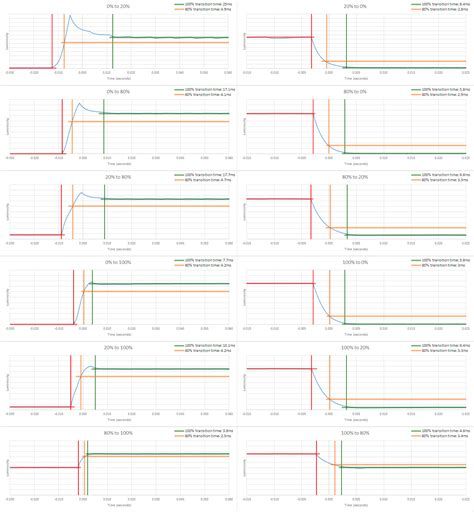
Look at picture presets and plan to calibrate
One practical tip from my experience is to try the various picture presets in-store or right after setup. I switched from the default Vivid to Movie/Calibrated mode and adjusted a few settings (backlight, contrast) to get a more natural look. If you want perfection, consider a professional calibration or look for user-created calibration profiles online.
Consider sound and accessories
If you care about cinematic sound, factor in the cost of a soundbar or AV receiver. The built-in speakers will do the job for news and casual TV, but I noticed improved immersion and clarity with a modest soundbar.
Check firmware and support
Because I experienced a couple of small software hiccups, I recommend checking the manufacturer's update history and community feedback for the model you're buying. Frequent and reliable updates are a sign the company is invested in improving the user experience.
Where to save or splurge
Save: If you’re on a tight budget, the base U7 model is often the most economical and still offers great value for general use.
Splurge: If you want better HDR performance and gaming features, the U7N or U75N are worth the extra spend for the improved panel and processing.
Conclusion
In my experience, the U7N (and its close siblings the U7 and U75N) represent a compelling middle ground: noticeably better picture and gaming features than entry-level TVs, but at a price that doesn’t push you into luxury territory. I was surprised by how often I chose this TV for movie nights and gaming sessions over older, more expensive sets. The trade-offs — modest blooming, off-axis viewing limits, and average built-in audio — are real, but they didn't outweigh the daily benefits for me.
If you're looking for a modern, capable 4K TV that prioritizes value without sacrificing core features like low input lag, HDR punch, and a usable smart platform, these models deserve a serious look. From my months of use, I can honestly say they deliver a lot of what most people want from a TV today, and that’s why so many people seem to be buying them.